What are ultra processed foods and why do they matter for health and the environment?
Ultra processed foods have become the quiet engine behind many of today’s health problems, yet most people still find the concept confusing.
We hear warnings about UPFs everywhere, but when we hold two products in our hands, say, two peanut butters, two breads or two yoghurts, knowing which one is genuinely better for us is far from obvious. Even nutrition professionals still debate the terminology. But the public confusion makes sense. ‘Processed’ is a technical term, not a synonym for unhealthy. Humans have processed food for thousands of years: freezing, fermenting, soaking, drying, chopping, mixing. The question is not whether a food has been processed, but how and for what purpose. And that is where the story of ultra processed foods becomes so important.
This article brings clarity to the topic by explaining what ultra processed foods are, why they matter for health and the environment, and how to make practical changes that help you feel better without spending more time, more money or more mental energy. This reflects exactly how I support my clients: not through strict rules, but through understanding, simplicity and confidence.
What Ultra Processed Foods Actually Are
To demystify the topic, researchers developed the NOVA food classification system, widely used in public-health research. It sorts foods by the type and degree of processing, not by calories or macronutrients. That distinction matters.
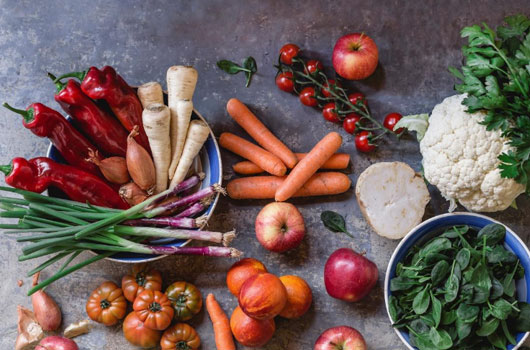
NOVA 1: Unprocessed or minimally processed foods
These are foods close to their natural form.
Examples
• Fruit and vegetables
• Beans, pulses, nuts, seeds
• Fresh or frozen fish
• Eggs
• Milk and plain yoghurt
• Whole grains like oats, brown rice, quinoa
• Herbs, spices, olive oil, butter
NOVA 2: Processed culinary ingredients
Extracted from whole foods and used in cooking.
Examples
• Olive oil, rapeseed oil, butter
• Sugar, honey, maple syrup
• Salt, vinegar
NOVA 3: Processed foods
Simple combinations of NOVA 1 and 2 ingredients.
Examples
• Cheese
• Tinned beans or lentils
• Wholemeal bread with a short ingredients list
• Plain breakfast cereals like Weetabix
• Tinned tomatoes with salt
NOVA 4: Ultra processed foods (UPFs)
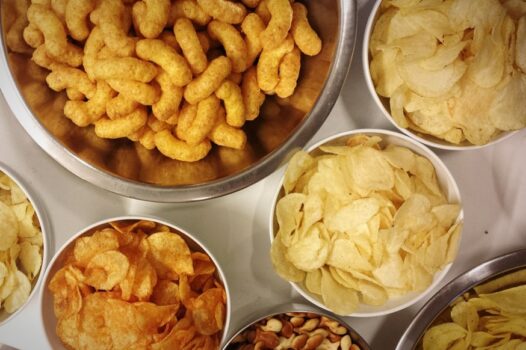
These are industrial formulations made mostly or entirely from substances not used in home cooking. They contain additives such as emulsifiers, sweeteners, stabilisers, colourings, modified starches and flavour enhancers. They are engineered to be hyper palatable, extremely convenient and very cheap to produce.
Examples
• Mass-produced packaged bread
• Flavoured yoghurts
• Protein bars and shakes with emulsifiers
• Crisps, biscuits, cakes, pastries
• Ready meals
• Instant noodles
• Chicken nuggets and plant-based “meats”
• Soft drinks and energy drinks
• Supermarket soups with stabilisers
Why These Foods Matter So Much
They override our biology causing us to eat more
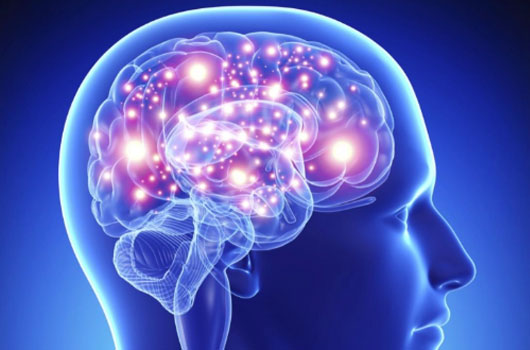
Ultra processed foods are not just more sugary or higher in calories. They are engineered to stimulate our reward pathways. Professor Francis McGlone, former lead neuroscientist at Unilever, showed through brain imaging that eating ice cream lit up the reward centre of the brain “like a Christmas tree.” That same circuitry is triggered by many UPFs, making them hard to resist even when we are not hungry.
UPFs are often deliberately soft. Soft foods short-circuit our satiety mechanisms because we don’t chew them long enough for the “I’m full” signal to reach the brain. A soft bun or a bag of crisps can be eaten extremely fast, which means we consume far more energy than intended before satiety kicks in.
Research shows they lead to burning fewer calories
A small but revealing experiment at Pomona College in California found that participants who ate an ultra processed cheese sandwich consumed it faster and absorbed more calories in less time compared with those eating a minimally processed version. The difference was not the food itself, but its texture, softness and the way the body processed it. This is exactly how UPFs encourage overeating: not through weakness of will, but through design.
They contribute to modern chronic disease
UPFs have been consistently associated with obesity, type 2 diabetes, cardiovascular disease, certain cancers and poor metabolic health. They are typically energy dense, nutrient poor and engineered to be overconsumed. But blaming personal willpower is misguided. To accept the willpower theory, we would need to believe that in the mid-1970s millions of people across multiple countries simultaneously became lazy and irresponsible. What actually changed was the food environment itself, as your original notes highlighted .
They create consumer confusion
Walk into any supermarket and you will see the problem. Take peanut butter. One brand contains peanuts and sea salt. Another contains peanuts, palm oil, sweeteners, stabilisers, E numbers and flavourings. Both are processed. But one is food; the other is food chemistry. And most consumers have no idea they are choosing between the two. Add to that the ‘health halos’ that brands add to packaging; like ‘high protein’, low fat, ‘no added sugar’ and you have a recipe for disaster..pun intended!
This example reflects why the term ‘processed’ creates confusion. It is not processing that is harmful. It is over-processing for the purpose of profit, hyper palatability and shelf-stability.
UPF’s have negative environmental consequences
Ultra processed foods depend heavily on monoculture crops like maize, wheat, soy and palm. These farming systems degrade soil, reduce biodiversity, rely on pesticides and create fragile supply chains. By contrast, whole foods grown through regenerative, agroecological practices support soil health, carbon storage, water retention and local food resilience.
In other words, the more our diets centre on UPFs, the more we support an agricultural model that extracts rather than restores. Choosing whole foods isn’t just better for health; it is better for the planet.
Why This Isn’t About Demonising All Processing
As your earlier draft emphasised, processing itself is not the issue . Freezing berries, milling flour, pasteurising milk or fermenting vegetables are all forms of processing that often make foods safer and more nutritious. The goal is not to avoid all processed foods. It is to understand which ones support health and which ones work against it.
A minimally processed wholegrain loaf is not the same as a sweetened, emulsified, stabilised supermarket “soft white” bread. A plain yoghurt is not the same as a strawberry yoghurt with seven additives and “natural flavourings.” The NOVA system helps distinguish these differences, but it is only a guide. What matters most is composition, nutrient density and how a food fits into real life eating patterns, not how many processing steps it has undergone.
So How Do We Avoid Ultra Processed Foods Without Feeling Overwhelmed
This is the part where most people get stuck. They understand the theory but feel too busy or too tired to make changes. This is where my work with clients begins: by simplifying food choices so they feel doable, not demanding.
Practical steps that make the biggest difference
Choose short ingredients lists
If your grandparents wouldn’t recognise an ingredient, put the product back.
If peanut butter contains more than peanuts and salt, choose another brand.
Cook once, eat twice or more
Batch-cook grains, roast veg, or prepare proteins so meals assemble themselves later in the week.
Use your freezer like an extra cupboard
Frozen veg, berries, herbs, fish and whole meals make eating well faster, not harder.
Assemble, don’t cook
A tin of fish, a microwavable grain pouch and a handful of spinach is dinner. So is hummus, pita and chopped veg. These are minimally processed meals that support energy and blood sugar.
Pimp the processed meals you do eat
If you are grabbing a meal deal or service-station lunch, add a bag of salad, fruit or chopped veg.
You can make a mediocre choice meaningfully better in 30 seconds.
Go gently but decisively
For many people, limiting UPFs for just a few days dramatically reduces cravings. The body recalibrates quickly.
Why This Matters for Our Future
The conversation around ultra processed food often becomes moralistic or fear-based. That helps no one. A more balanced, evidence-informed message is needed, one that recognises the benefits of responsible food processing while acknowledging the harm caused by industrial formulations designed for profit, not nourishment.
My role as a coach is to translate the science into simple, practical, sustainable steps that busy people can implement without overhauling their entire lifestyle. When clients learn to recognise the patterns, understand their bodies and make small shifts, everything changes. Energy improves. Cravings reduce. Blood sugar steadies. Weight normalises naturally. And food becomes enjoyable again, not overwhelming.
The goal is not perfection. It is clarity. It is confidence. It is choosing foods that your body recognises and your future self will thank you for.