Why Men and Women Feel Tired, Crave Sugar, Struggle With Weight and Fall Off Health Plans for Very Different Reasons
Most people think feeling tired, craving sugar and struggling to stay consistent are willpower problems.

They are not.
They are biology, context and stress speaking.
And here is something most people do not realise.
Men and women often struggle for very different reasons.
Not because one is better, stronger or more motivated.
Because our hormones, brains and daily pressures pull different levers.
Once you understand those levers, everything becomes easier to fix.
Let’s break it down in simple, real-world language backed by RTCs and peer reviewed research.
And let’s make it relevant to your life, not a textbook.
Why women often feel more tired
Women in mid life are navigating something men are not.
Shifting oestrogen and progesterone.
These hormones influence sleep, temperature regulation, stress tolerance and even how your brain uses fuel.
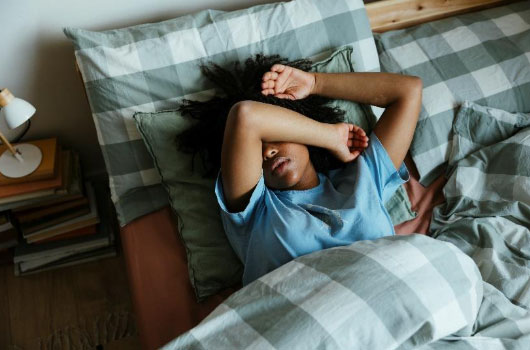
When oestrogen fluctuates, sleep quality declines.
Cortisol rises more quickly in response to stress.
Blood sugar becomes more unstable.
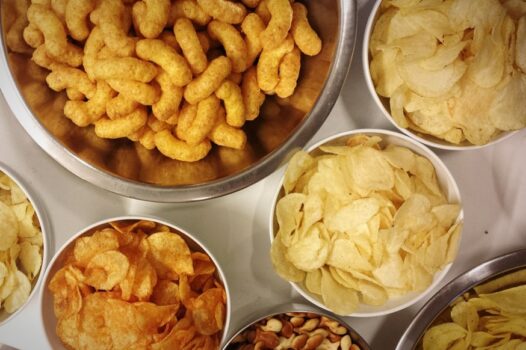
This creates a perfect storm of afternoon crashes, fuzzy thinking and that familiar fridge magnet pull toward biscuits at 3 pm.
Research from the Journal of Clinical Endocrinology shows that peri menopausal fluctuations directly affect REM sleep.
Poor sleep then alters leptin and ghrelin.
You wake up tired and hungrier, even if nothing about your food has changed.
Men do not get this hormonal volatility.
Their sleep challenges are usually from stress load, late nights, alcohol, weight or sleep apnoea rather than internal hormonal shifts.
Why men’s energy dips often look different
Men tend to experience more stable monthly hormones, but higher baseline stress.
Cortisol, competition, pressure to perform and chronic sympathetic nervous system activation lead to wired but tired energy patterns.
Men often override tiredness with caffeine, sugar or intensity.
Which looks fine on the outside until burnout, irritability or central fat gain arrive.
Men also lose muscle mass faster if they stop resistance training.
Less muscle means poorer insulin control and more fatigue after meals.
Their issue is often not fluctuating hormones but an all gas no brake lifestyle.
They need recovery more than restriction.
Why women’s cravings hit harder
Women experience stronger fluctuations in dopamine and serotonin across the menstrual cycle and peri menopause.
Research shows that lower oestrogen states reduce dopamine sensitivity.
Your brain literally finds sugar more rewarding when hormones dip.
This is not weakness.
It is neurobiology.
Add poor sleep, high cognitive load, caring responsibilities and irregular eating and cravings become the brain’s quickest route to relief.
Many women tell me they do not even like the biscuits they are eating.
They just want the feeling to stop.
The biscuit is not the problem.
Your body thinking it is the only solution is what we change.
Men crave too, but their pattern is often stress driven snacking, late night overeating or alcohol.
Less hormonal, more habit based.
Why weight changes hit women earlier
As oestrogen lowers, body composition naturally shifts.
Women lose muscle, store more visceral fat and become more insulin resistant even when eating the same foods as before.
This is why so many women suddenly feel like their body is breaking its own rules.
It is not.
The rules have simply changed.
RCTs show that during peri menopause the thermic effect of food drops.
That means you burn fewer calories from the same plate of food.
The solution is not restriction.
It is more protein, more fibre and strength work that signals your metabolism to wake back up.
Men tend to gain weight from higher stress hormones, alcohol, larger portion sizes and central fat.
Still very fixable.
Just different drivers.
Why sticking to a plan is harder for women, especially in mid life
Women carry the highest cognitive load in the household.
Remembering the school trip, the client pitch, the dentist appointment, the dinner plan and the birthday present.
This constant mental load depletes dopamine and executive function.
It makes planning and consistency harder, not because you are disorganised but because you are human.
Add peri menopausal brain fog, fluctuating motivation and stress and sticking to a plan becomes nearly impossible without support and structure.
Men fall off plans too, but usually because they push too hard too fast, rely on motivation instead of systems, or ignore recovery until they crash.
Neither gender is failing.
They simply need different strategies.
So what do you do with all of this?
You stop blaming willpower.
You start working with your biology, not against it.
For women this often means:
A protein and fibre anchored breakfast to flatten blood sugar
Resistance training to rebuild metabolic resilience
Nervous system regulation for cravings
Sleep support that considers hormone shifts
A plan that adapts to cycle or peri menopausal phases
For men this often means:
Managing stress before it manages you
Strength work to increase insulin sensitivity
Reducing alcohol to improve sleep and energy
Building recovery into the week, not as a reward but a requirement
And for both?
Small consistent changes that respect real life.
Not punishment.
Not restriction.
Not shame.
Just biology, behaviour change and support that makes the whole thing easier.
The takeaway
You are not tired, craving sugar or losing consistency because you are weak.
You are responding to hormones, stress and a food environment designed to override your brain.
Once you understand the science, you gain back control.
And when you tailor your approach to your biology, everything becomes more effortless.
If this resonates and you want 2026 to be the year your health feels simple and sustainable, my SHINE Group Programmes open soon. And because men and women are different and need a different approach I have both a Male and Female Group Running
It is designed for stressed mid life professionals who want energy, clarity and habits that last.
Link in bio to join the waitlist or book a call.